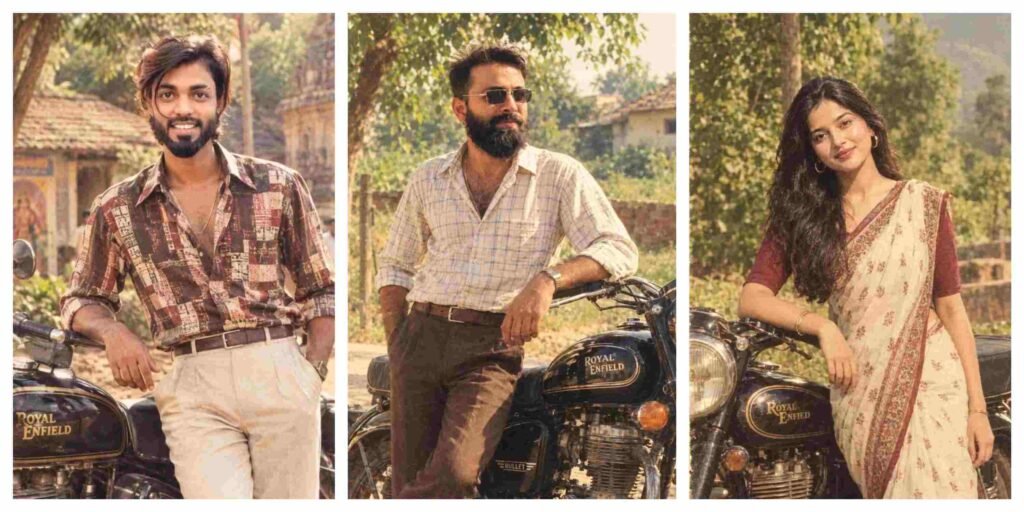
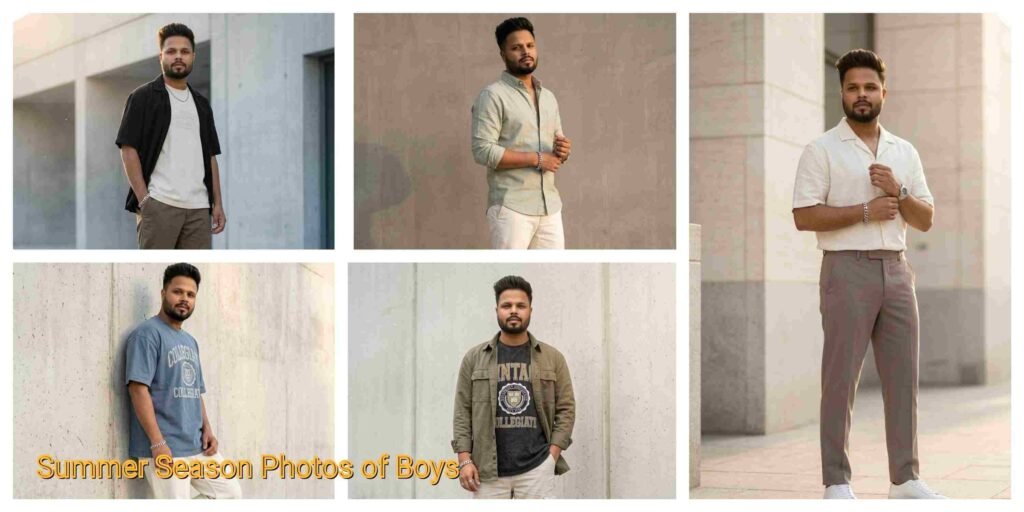
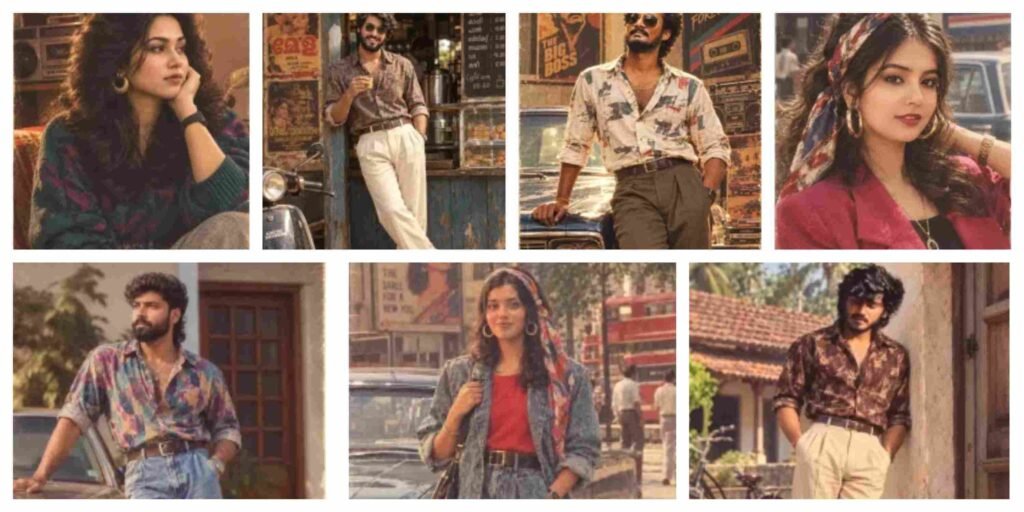
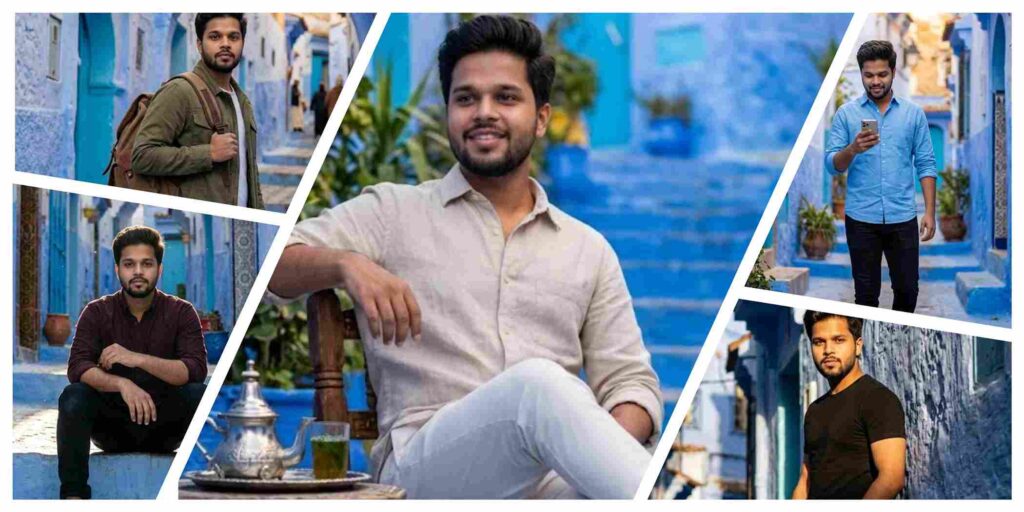
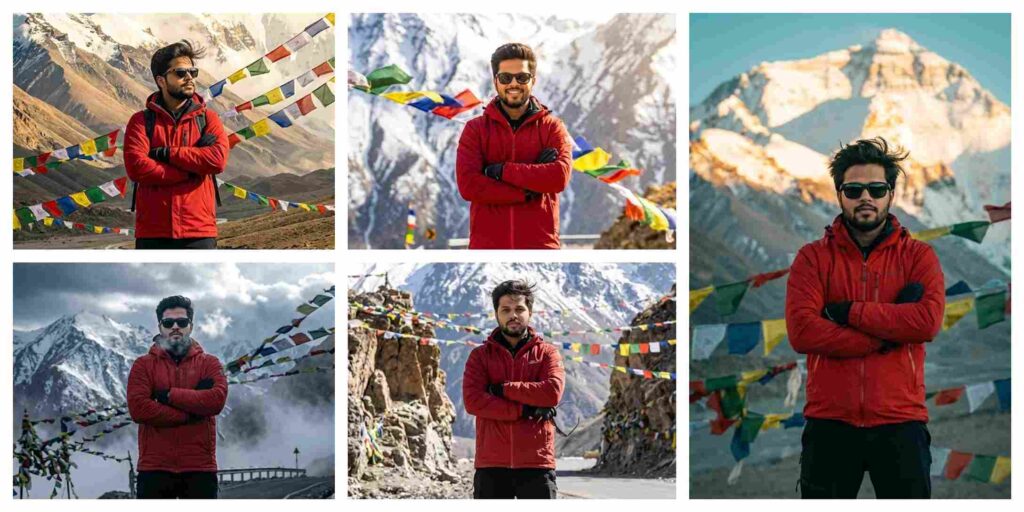
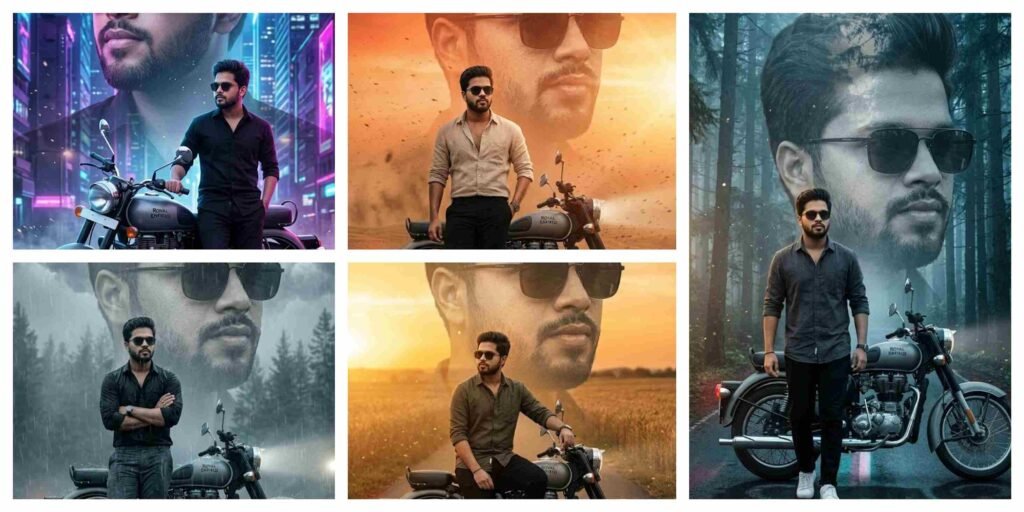
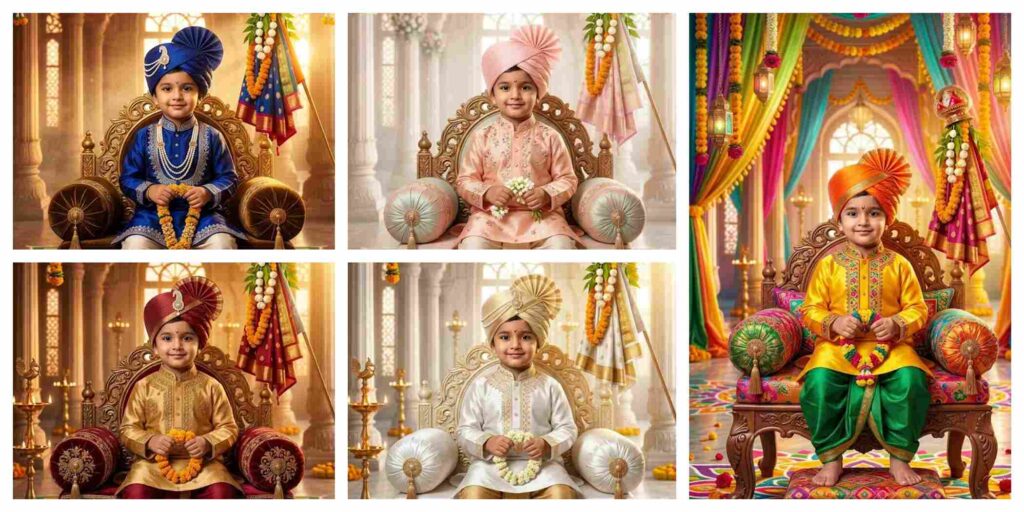
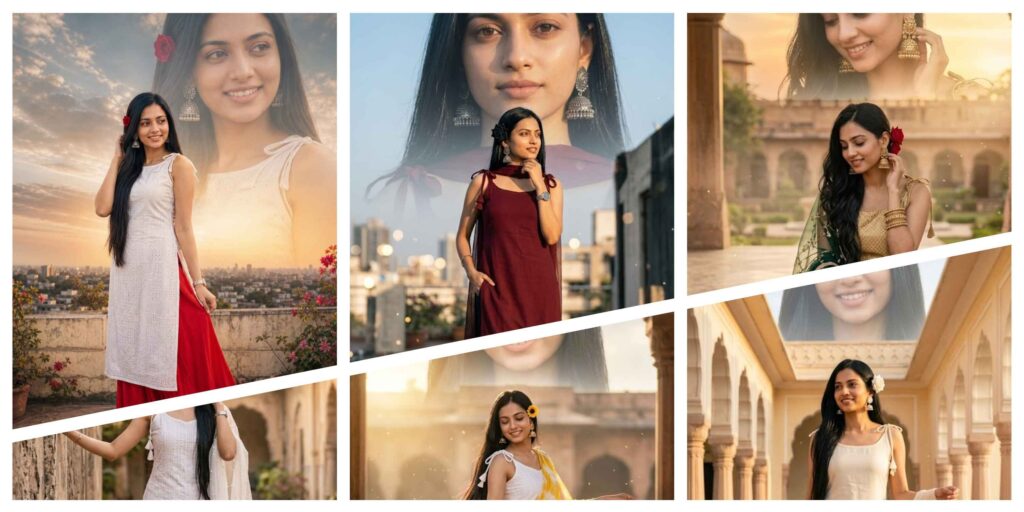
Black and white portrait photography has always carried a unique emotional depth that color often fails to replicate. When color is removed from an image, what remains is raw expression, texture, light, and shadow. In the modern era of AI-generated imagery, this classic aesthetic has been reborn with even greater creative control. The “Cinematic Black and White Studio Portrait AI Prompt” style represents a fusion of traditional studio photography principles with advanced artificial intelligence visual generation techniques, producing portraits that feel both timeless and hyper-realistic.
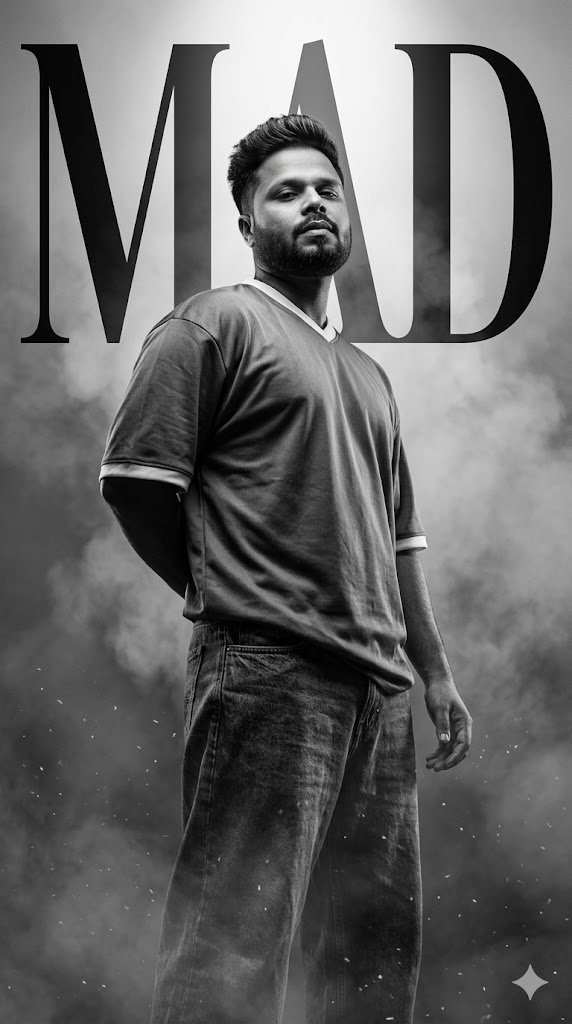
Ultra-realistic black-and-white cinematic fashion portrait in 8K Ultra HD, 9:16 aspect ratio, captured from a low-angle DSLR perspective to emphasize dominance and height. Maintain strict identity lock with identical facial structure, hairstyle, and natural skin texture. The subject wears the same oversized football jersey and wide-leg jeans with authentic fabric folds and denim grain. The subject stands slightly turned to the right, chin slightly raised, eyes looking down toward the camera with calm intensity. One hand remains behind the back, the other relaxed beside the body. Lighting is high-contrast studio monochrome with a strong overhead rim light creating dramatic shadow carving across the jawline and cheekbones. Deep blacks with silver highlights enhance facial structure. Behind the subject, the bold serif typography “MAD” appears oversized and partially cut off by framing, blending into fog-like grayscale smoke. Subtle cinematic haze and dust particles float in the foreground for depth. Film grain is soft and natural, DSLR sharp focus on face, shallow depth of field. Mood: powerful, dominant, luxury editorial hero shot. Negative prompt remains the same.
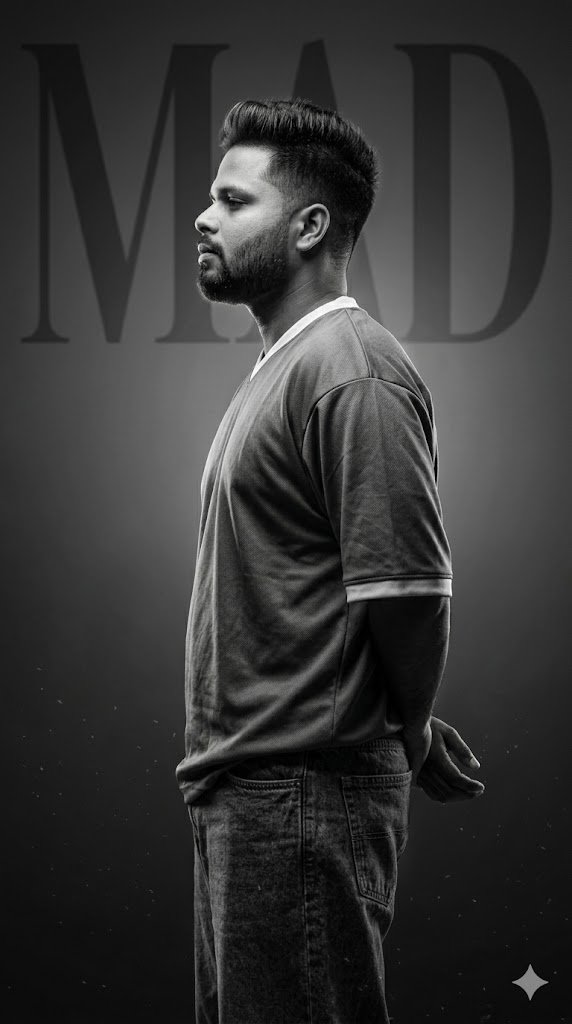
Ultra-realistic monochrome fashion editorial portrait in 8K Ultra HD, 9:16 aspect ratio, captured from a pure side-profile angle (left profile view). Identity strictly preserved with unchanged facial structure, natural skin texture, and hair detail. Same outfit: oversized jersey and wide-leg jeans with realistic folds and stitching detail. The subject stands still, facing left in a calm profile pose, eyes looking slightly downward, expression neutral and introspective. Hands remain behind the back for elegance. Lighting is soft directional studio light from behind, creating a glowing rim around the face, nose bridge, and jawline. Shadows fall gently across the front of the face, emphasizing silhouette definition. Typography “MAD” appears faintly embossed in the background, partially blurred and fading into the studio fog, acting as a subtle design layer rather than a focal point. Background is extremely minimal with smooth gradient falloff from dark grey to soft black. Fine dust particles float subtly, giving cinematic stillness. Mood: quiet, artistic, high-fashion minimalism.
Ultra-realistic monochrome fashion editorial portrait in 8K Ultra HD, 9:16 aspect ratio, captured from a pure side-profile angle (left profile view). Identity strictly preserved with unchanged facial structure, natural skin texture, and hair detail. Same outfit: oversized jersey and wide-leg jeans with realistic folds and stitching detail. The subject stands still, facing left in a calm profile pose, eyes looking slightly downward, expression neutral and introspective. Hands remain behind the back for elegance. Lighting is soft directional studio light from behind, creating a glowing rim around the face, nose bridge, and jawline. Shadows fall gently across the front of the face, emphasizing silhouette definition. Typography “MAD” appears faintly embossed in the background, partially blurred and fading into the studio fog, acting as a subtle design layer rather than a focal point. Background is extremely minimal with smooth gradient falloff from dark grey to soft black. Fine dust particles float subtly, giving cinematic stillness. Mood: quiet, artistic, high-fashion minimalism.
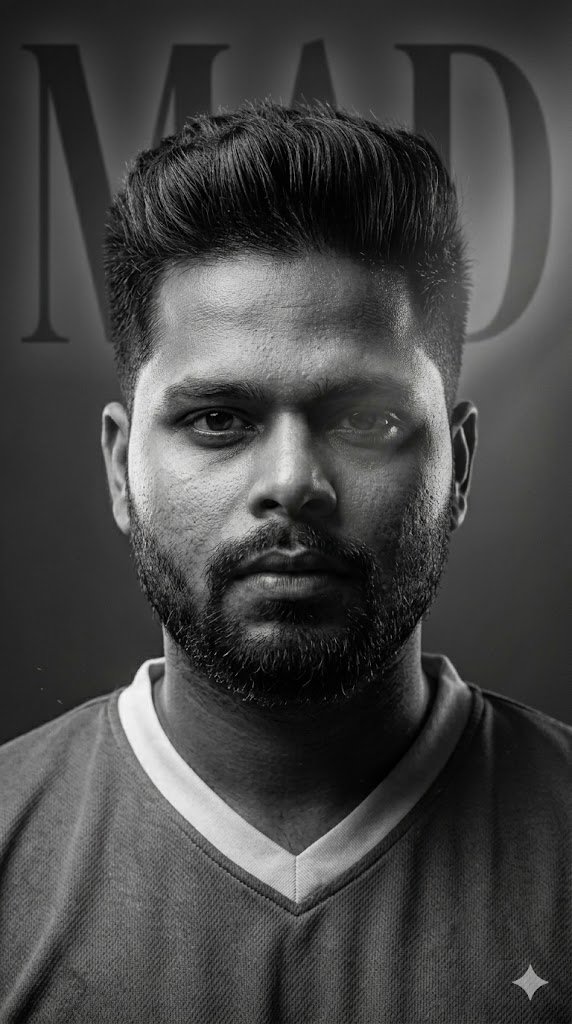
Ultra-realistic black-and-white editorial close-up portrait in 8K Ultra HD, 9:16 aspect ratio, framed tightly from chest to head. Identity lock strictly maintained: exact face shape, eye structure, eyebrows, lips, and natural skin pores preserved with hyper-realistic accuracy. Same outfit visible at collar and upper chest level—oversized jersey fabric texture sharply detailed. Camera is positioned at eye level, slightly tilted forward for emotional engagement. The subject stares directly into the lens with a calm but intense expression. Lighting is dramatic split lighting: one side of the face fully illuminated with crisp highlights, the other side falling into deep cinematic shadow. The typography “MAD” is placed behind the head, partially obscured and softly glowing through haze, giving depth layering. Subtle light streak effect crosses the eye region, but remains natural and realistic—no digital distortion feel. Film grain is slightly stronger here for emotional texture. Mood: intense, emotional, magazine cover close-up.
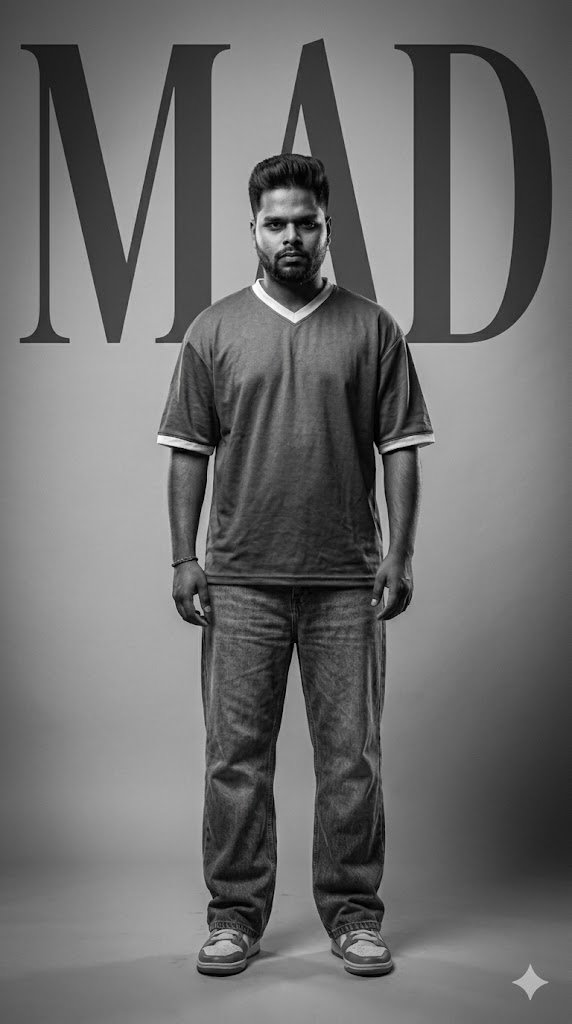
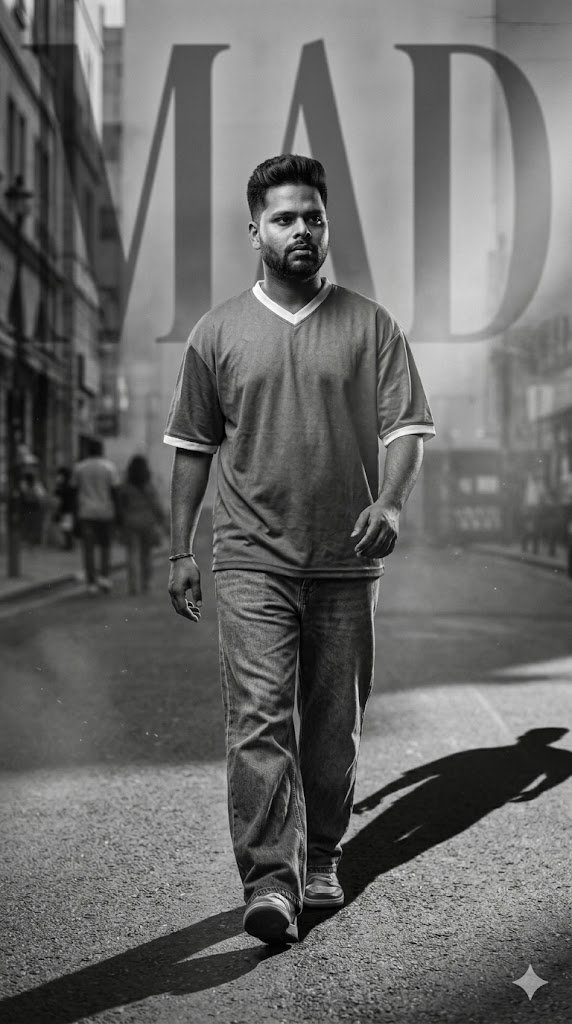
Ultra-realistic black-and-white fashion editorial portrait in 8K Ultra HD, 9:16 aspect ratio, designed like a luxury magazine poster cover. Identity lock fully preserved with hyper-detailed facial realism and natural skin texture. Same outfit maintained with strong fabric visibility and crisp denim detail. The subject stands perfectly centered in a rigid symmetrical composition. Chin slightly lowered, eyes forward, expression controlled and powerful. Lighting is extremely high contrast with sharp studio key light and deep shadow separation, producing sculptural facial definition. The typography “MAD” dominates the background in massive vintage serif font, fully integrated into composition with sharp graphic alignment rather than organic blending. Background is flat monochrome with subtle gradient vignette for poster-like impact. Minimal film grain, very clean editorial finish, sharp focus from face to outfit. Mood: luxury poster, bold editorial branding, high-fashion dominance.
This style is not just about removing color—it is about building mood, shaping light, and crafting a cinematic identity that feels like a frame taken from a high-budget film or luxury fashion editorial.
The Essence of Cinematic Black and White Portraiture
At the heart of cinematic monochrome portraiture lies emotional storytelling. Unlike standard photography, where color often guides attention, black and white imagery forces the viewer to focus on composition, facial expression, and lighting dynamics.
In studio portrait environments, every element is intentionally controlled. The background is usually minimal or completely neutral, allowing the subject to dominate the frame. Lighting becomes the most powerful storytelling tool. Soft key lights, harsh rim lights, and carefully placed shadows create depth and dimension that feel sculpted rather than captured.
When translated into AI-generated art, this approach becomes even more refined. AI models can simulate professional lighting setups such as Rembrandt lighting, butterfly lighting, or split lighting with extreme precision, resulting in portraits that resemble high-end editorial magazine shoots.
Why Black and White Works So Powerfully in AI Portraits
One of the biggest advantages of black and white portraiture in AI art is its ability to eliminate distraction. Without color, the viewer’s attention is directed entirely toward:
- Facial structure and bone definition
- Eye expression and emotional depth
- Lighting contrast and shadow play
- Skin texture and fine detail
This makes monochrome portraits ideal for cinematic storytelling. Whether the subject is calm, intense, mysterious, or emotional, the absence of color intensifies the mood.
In AI-generated visuals, this effect is amplified. Modern models can enhance micro-details such as skin pores, fabric texture, and subtle lighting gradients, producing a result that feels almost photographic.
Studio Lighting: The Soul of Cinematic Portraits
Lighting is the defining element of any studio portrait. In cinematic black and white AI prompts, lighting is what transforms a simple portrait into a dramatic visual story.
Soft diffused lighting creates a gentle, emotional mood, often used in fashion editorial portraits. On the other hand, hard directional lighting creates deep shadows and bold contrast, commonly seen in movie posters and character studies.
Some of the most effective lighting styles used in this aesthetic include:
Rembrandt Lighting:
Creates a small triangle of light on one cheek, adding depth and mystery.
Split Lighting:
Divides the face into equal light and shadow, producing a dramatic and intense cinematic effect.
Butterfly Lighting:
Places light above and in front of the subject, often used for glamorous fashion portraits.
In AI-generated studio portraits, these lighting techniques can be precisely simulated, allowing creators to design highly specific moods with consistency.
The Cinematic Editorial Aesthetic
The cinematic editorial style blends fashion photography with storytelling. It is commonly seen in luxury magazine covers, film posters, and high-end brand campaigns.
In this aesthetic, the subject is not just being photographed—they are being portrayed as a character. Every detail contributes to identity: posture, expression, wardrobe texture, and even the grain of the image.
Black and white enhances this effect by giving the image a timeless, almost historical quality. It removes modern distractions and makes the portrait feel eternal, as if it exists outside of time.
AI tools are especially powerful in recreating this editorial style because they can merge multiple influences—film stills, runway photography, and studio portraiture—into a single cohesive visual output.
Composition Techniques for Maximum Impact
A strong cinematic portrait is not just about lighting; composition plays a crucial role. Studio portraits often follow classical composition rules, but cinematic AI portraits frequently break or reinterpret them for artistic effect.
Common compositional approaches include:
Centered framing for powerful character focus
Rule of thirds for dynamic balance
Close-up shots for emotional intensity
Negative space for dramatic isolation
In AI-generated portraits, composition can be adjusted with precision, allowing creators to experiment with extreme angles, shallow depth of field, and selective focus to guide viewer attention.
Texture, Detail, and Emotional Depth
One of the most striking aspects of modern AI portrait generation is the ability to render ultra-fine detail. In black and white cinematic portraits, texture becomes a central visual element.
Skin is no longer just smooth or soft—it becomes a landscape of subtle imperfections that make the image feel real. Hair strands, fabric folds, and even pores contribute to authenticity.
This level of detail enhances emotional realism. A slightly furrowed brow, a soft gaze, or a strong jawline can communicate complex emotions without any color cues.
The Role of Mood and Atmosphere
Cinematic portraits are not just visual representations—they are emotional experiences. The mood is shaped by a combination of lighting, expression, contrast, and composition.
A high-contrast black and white portrait often feels intense, powerful, and dramatic. A softer grayscale image feels nostalgic, emotional, or introspective.
AI-generated imagery allows creators to fine-tune these emotional elements with incredible accuracy, making it possible to design portraits that feel like still frames from an unmade film.
Why This Style Is Trending in AI Art and Photography
The popularity of cinematic black and white studio portraits has grown rapidly in the AI art space for several reasons:
It feels timeless and artistic
It works across fashion, branding, and personal portraits
It emphasizes emotion over realism
It produces highly shareable, Instagram-ready visuals
Content creators, photographers, and digital artists are increasingly using this style to build personal brands and visual identities. It stands out in a saturated digital world where color-heavy imagery often feels repetitive.
Conclusion: The Future of Cinematic AI Portraits
The cinematic black and white studio portrait style represents a perfect intersection between classic photography and modern AI creativity. It strips away unnecessary distractions and focuses entirely on emotion, light, and form.
As AI tools continue to evolve, this style will only become more refined, allowing creators to push the boundaries of visual storytelling even further. Whether used for fashion, branding, or artistic exploration, this aesthetic remains one of the most powerful ways to create impactful and memorable imagery.
In a world full of color and noise, black and white cinema-inspired portraits remind us that sometimes the most powerful stories are told in the simplest tones—light and shadow.