Introduction
In 2026, photo editing is no longer just a skill reserved for professionals—it has become an essential part of digital content creation. Whether you run a blog, manage social media, or build an online brand, the quality of your images directly affects how your audience perceives you.
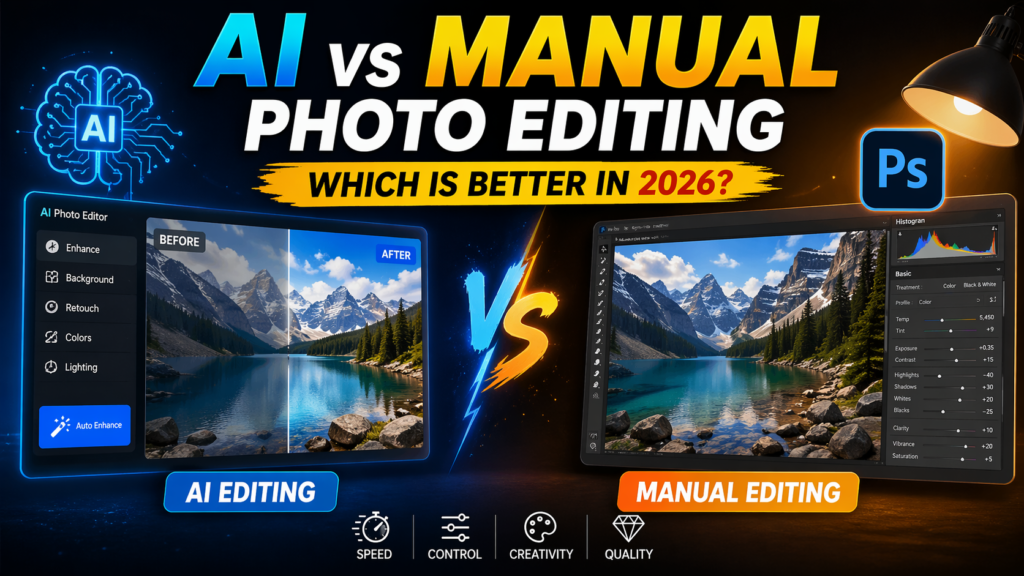
The rise of artificial intelligence has transformed how we edit photos. Tasks that once required hours of effort can now be completed in seconds. At the same time, traditional manual editing continues to offer unmatched creative control.
So the real question is not just which is better, but which is better for your specific goals.
What is AI Photo Editing?
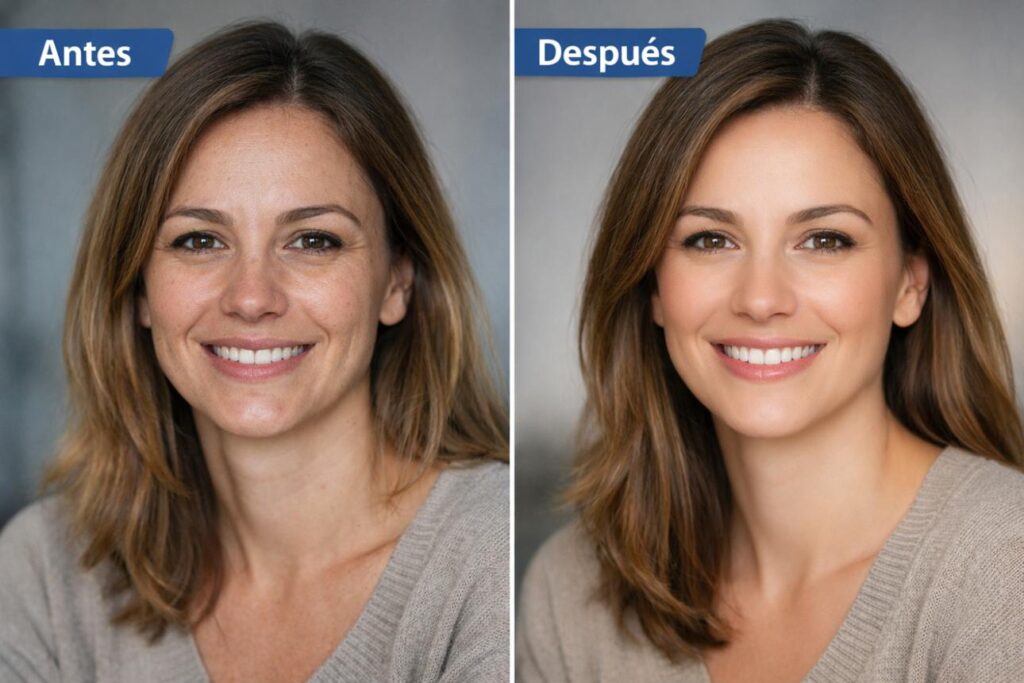
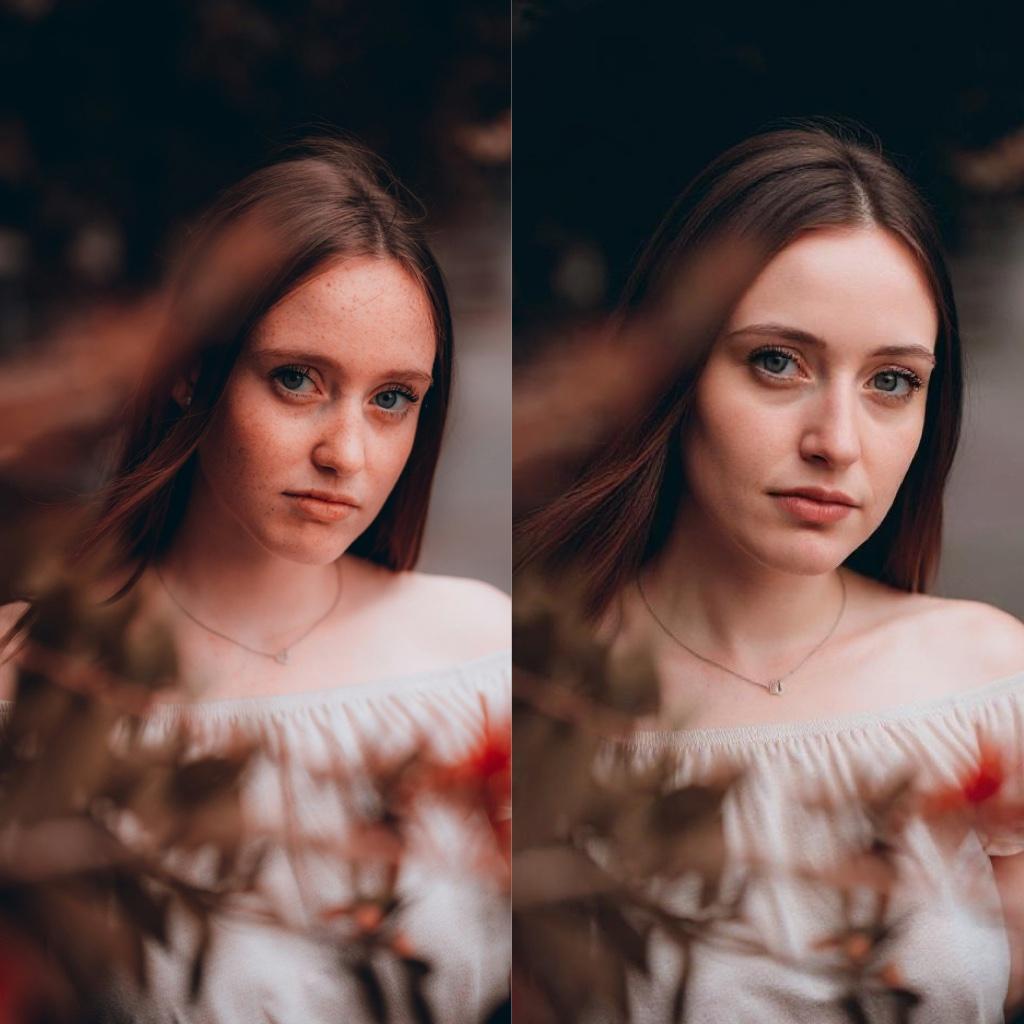
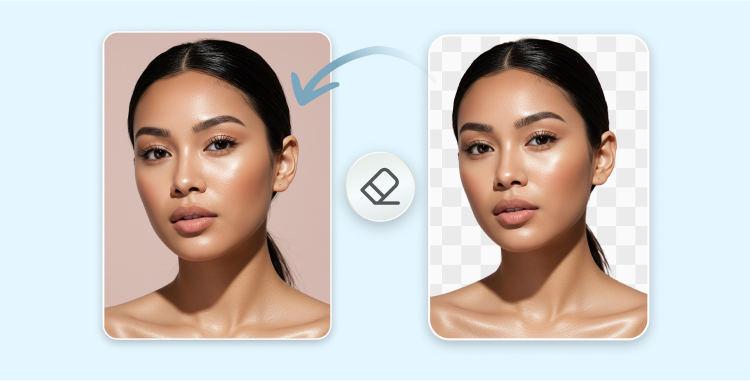
AI photo editing uses advanced machine learning algorithms to automatically enhance images. These systems are trained on millions of photos, allowing them to understand lighting, colors, faces, and composition.
When you upload a photo into an AI tool, it analyzes the entire image and makes intelligent adjustments. For example, it can brighten shadows without affecting highlights, smooth skin while keeping textures natural, or replace backgrounds instantly.
What makes AI powerful is its decision-making ability. It doesn’t just apply filters—it interprets the image and enhances it based on patterns it has learned.
This makes AI editing ideal for:
- Beginners with no technical knowledge
- Content creators needing fast results
- Bulk editing tasks like eCommerce images
What is Manual Photo Editing?
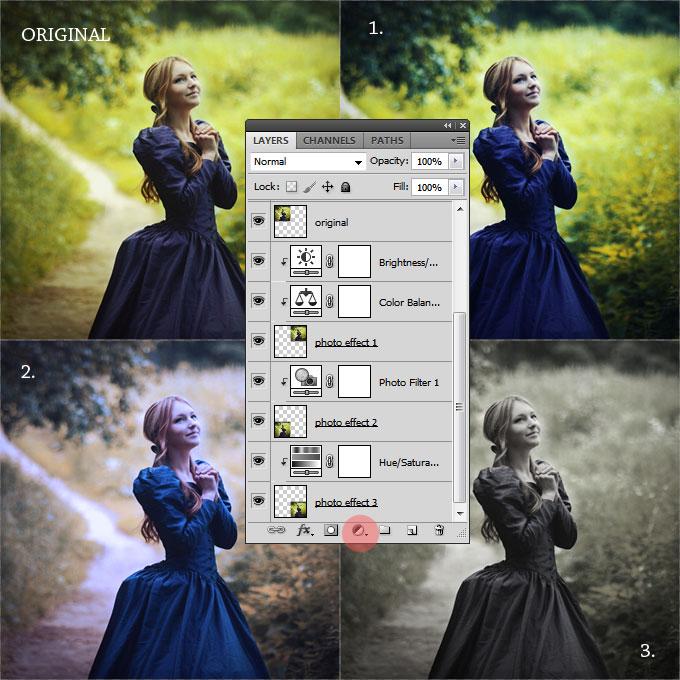
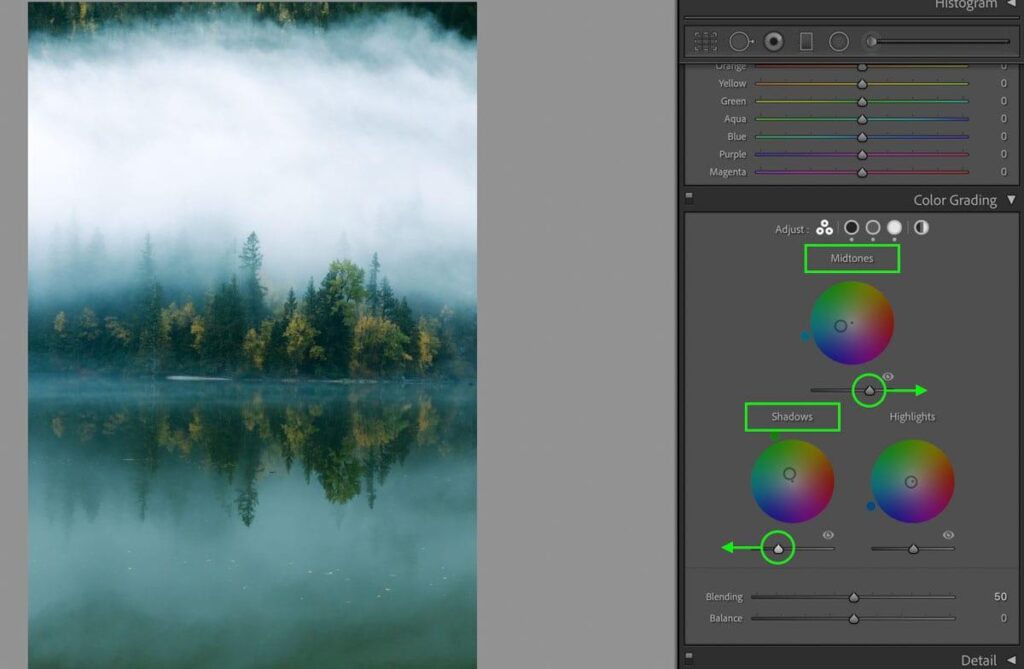
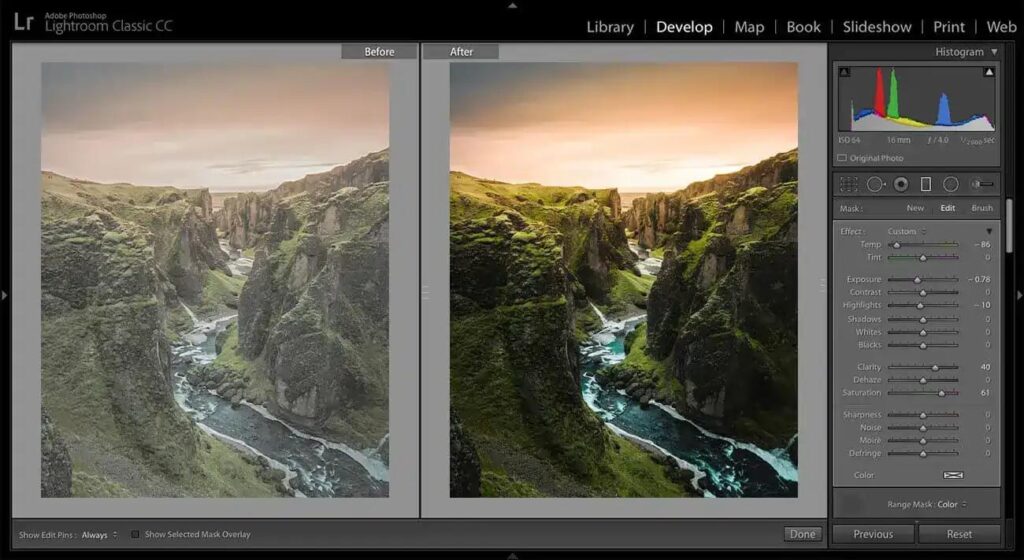
Manual photo editing involves editing images step by step using professional software. Instead of relying on automation, the editor controls every detail.
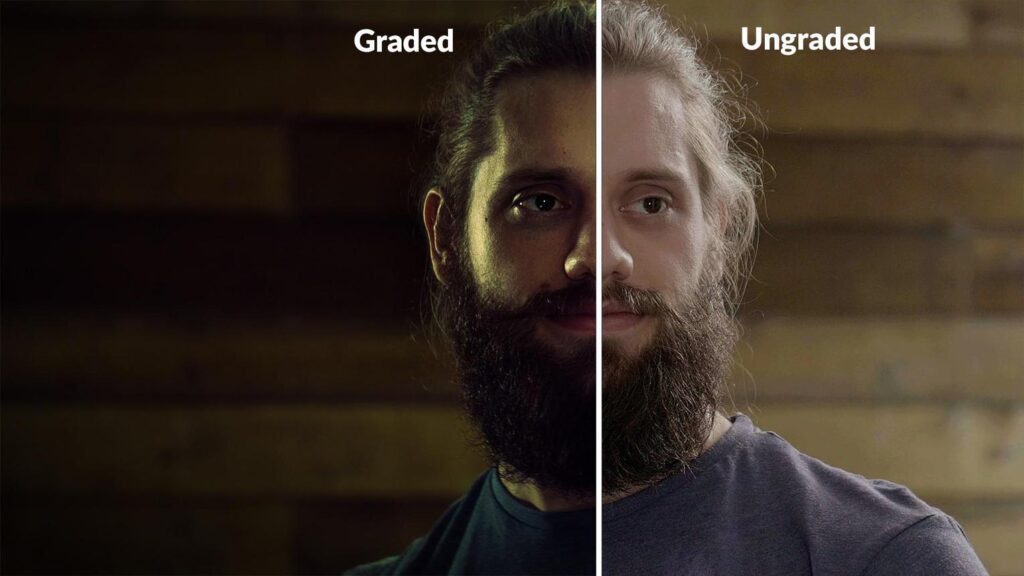
From adjusting exposure and contrast to advanced retouching and color grading, every change is intentional.
Manual editing is not just about improving an image—it’s about creating a visual story.
For example, a professional editor might:
- Darken certain areas to create mood
- Adjust colors to match a brand identity
- Retouch details at a pixel level
This level of control allows for highly customized and unique results, something AI still cannot fully replicate.
Speed vs Precision: The Real Difference
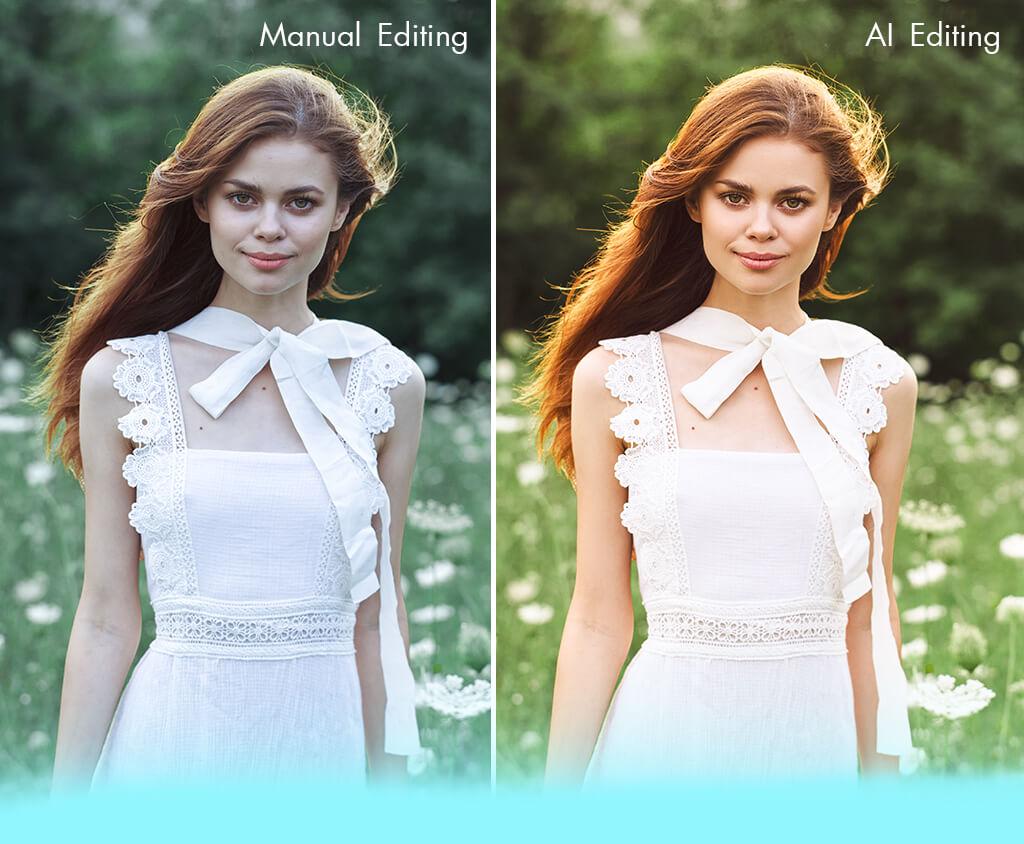
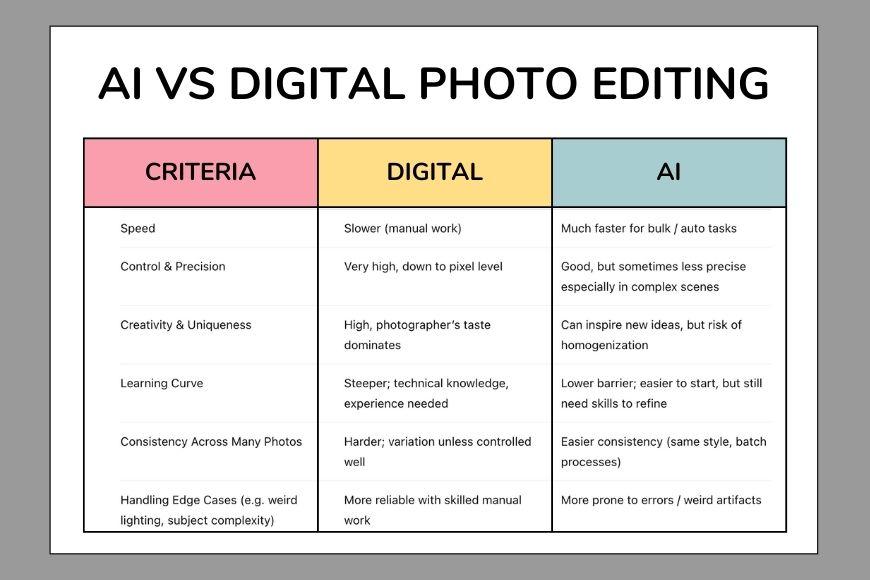
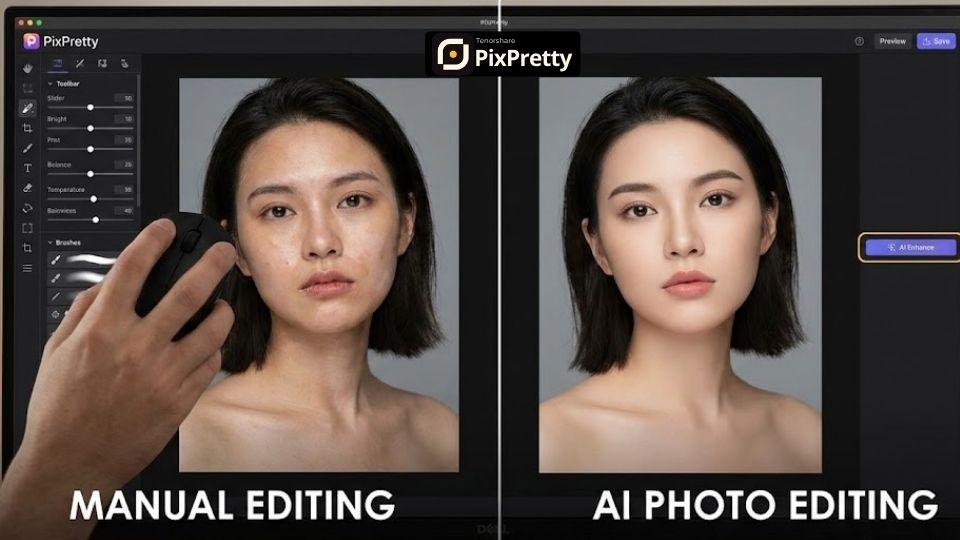
One of the biggest differences between AI and manual editing is speed.
AI editing is designed for efficiency. You can edit dozens—or even hundreds—of images in minutes. This is extremely useful for bloggers, marketers, and social media managers.
Manual editing, on the other hand, takes time. Even a simple edit can take several minutes, while complex edits may take hours.
But here’s the important point:
Speed comes at the cost of depth.
AI gives you quick results, but manual editing allows you to refine every detail. A skilled editor can guide the viewer’s attention, adjust lighting selectively, and create a polished, professional finish.
Quality Comparison in 2026
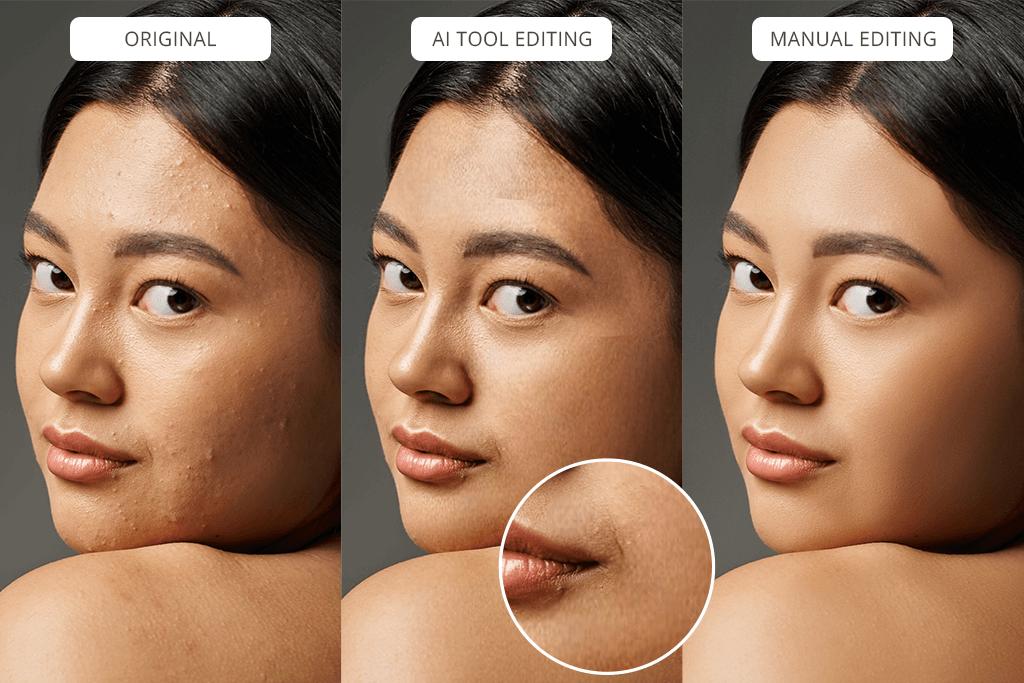
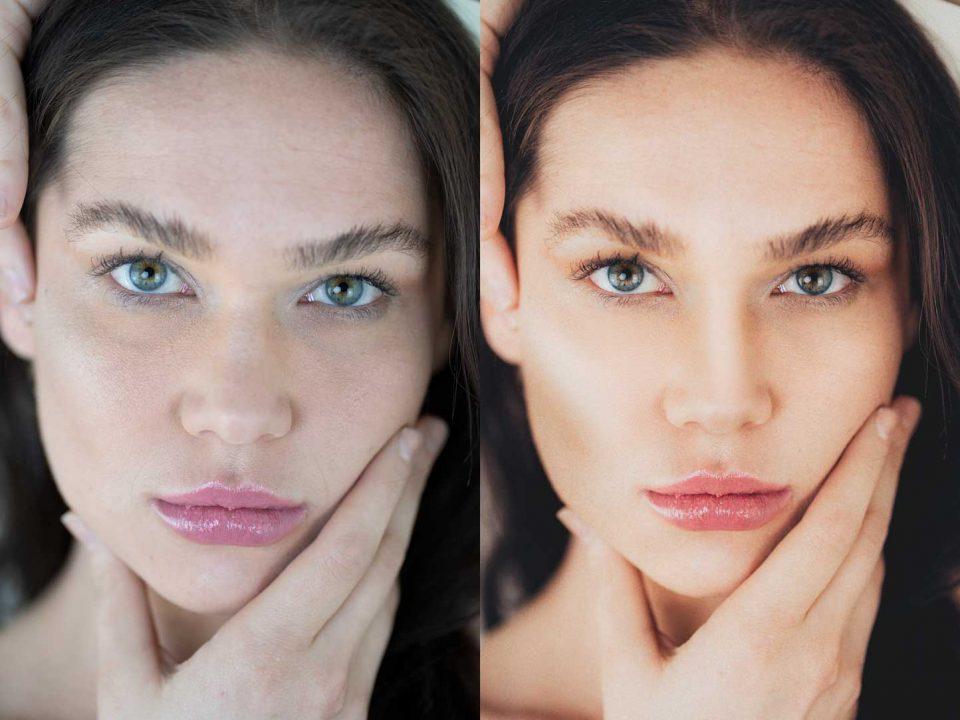
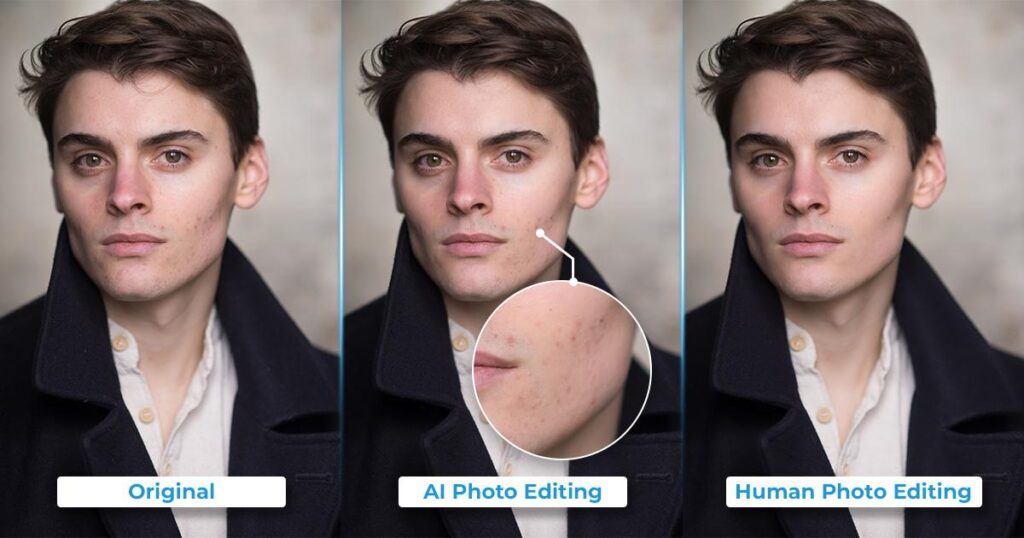
AI has improved dramatically in recent years. For basic edits, it often produces results that look impressive and professional.
However, when it comes to high-end quality, manual editing still leads.
AI works based on patterns—it enhances what it “thinks” looks good. But it doesn’t fully understand your creative intent.
Manual editing allows for:
- Fine detail adjustments
- Natural-looking retouching
- Advanced color grading
- Consistent brand aesthetics
This is why professional photographers and designers still rely on manual techniques for important projects.
Creativity and Artistic Control
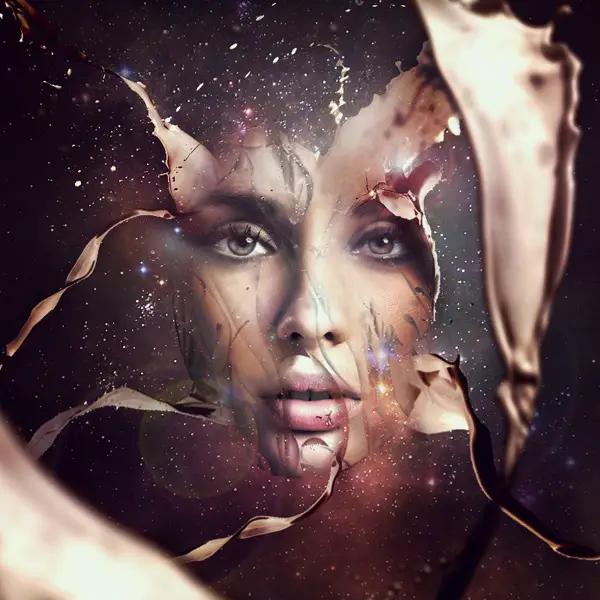
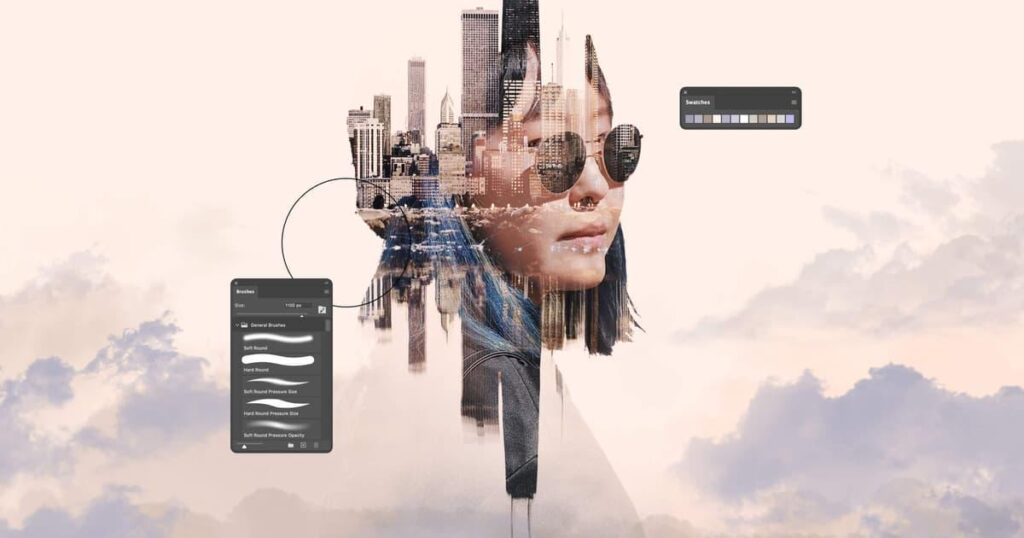
Creativity is where the biggest gap exists.
AI can replicate styles, but it cannot truly create something original. It follows patterns learned from existing data.
Manual editing, however, allows you to experiment and develop your own style.
You can:
- Break editing rules
- Create unique color tones
- Design a signature visual identity
For bloggers and website owners, this is crucial. Unique visuals help your content stand out, which improves user engagement and increases your chances of AdSense approval.
When Should You Use AI Editing?
AI editing is best when you need:
- Fast results
- Bulk editing
- Simple enhancements
- Beginner-friendly tools
For example, if you’re running a blog like yours and need to publish content regularly, AI can help you maintain consistency without spending hours on editing.
When Should You Use Manual Editing?
Manual editing is ideal when:
- Quality matters more than speed
- You want a unique visual style
- You’re working on professional projects
- You need precise control
If your goal is to build a strong brand or stand out in a competitive niche, manual editing becomes essential.
The Smart Approach in 2026: Combine Both
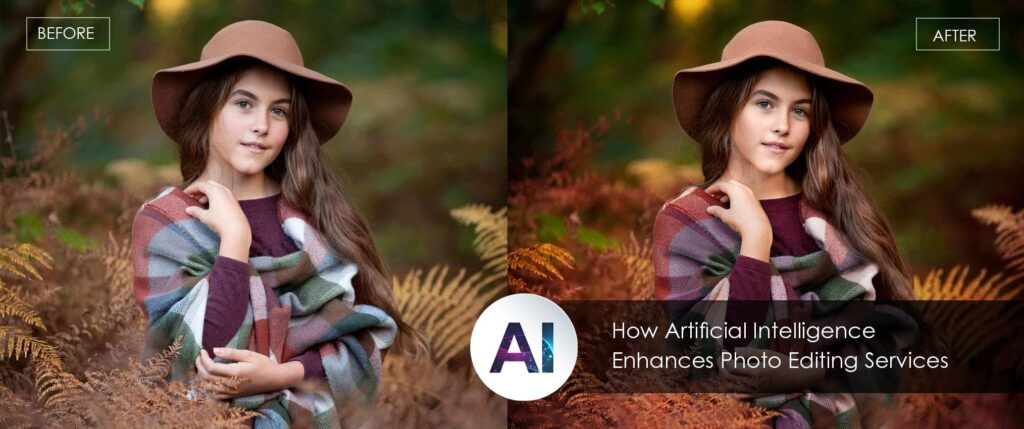
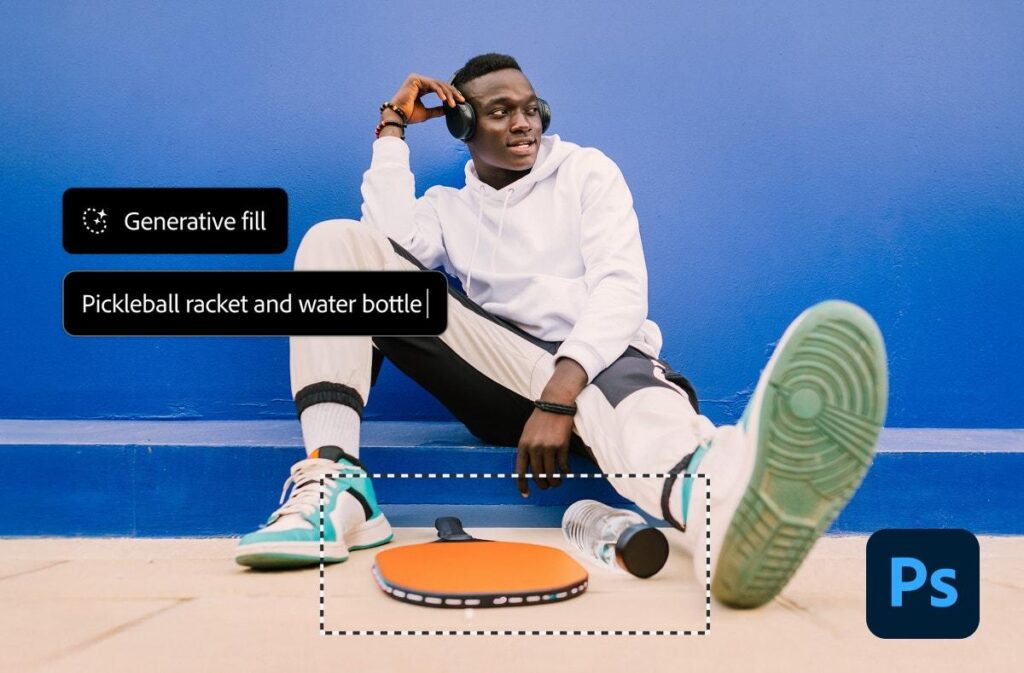
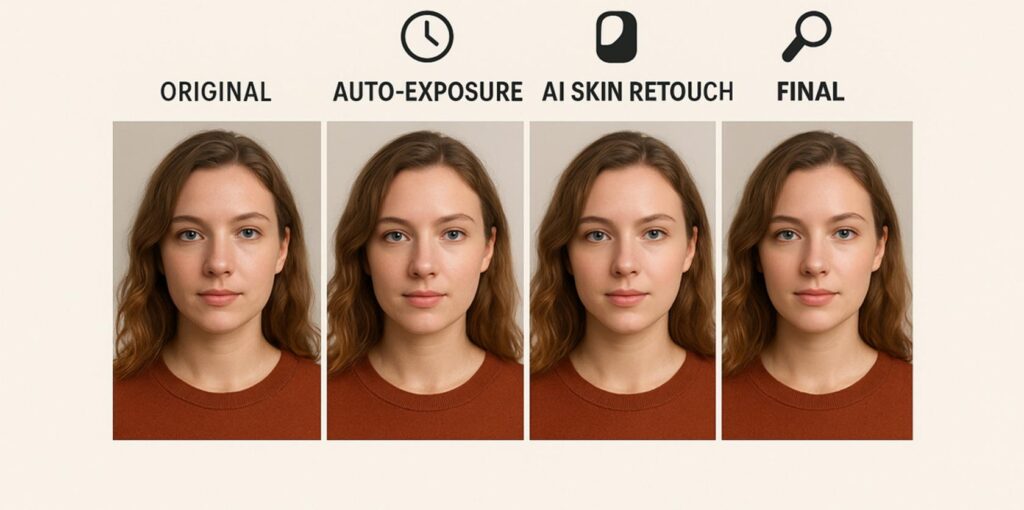
In 2026, the most effective strategy is not choosing one over the other—it’s combining both.
A modern workflow often looks like this:
- Use AI tools for basic corrections
- Apply automatic enhancements
- Move to manual editing for fine-tuning
- Add creative adjustments
This approach saves time while maintaining high quality.
It also allows content creators to scale their work without sacrificing creativity.
Cost and Accessibility: A Practical Perspective
AI editing tools have made photo editing accessible to almost everyone. Many platforms offer free versions or low-cost subscriptions, making it easy for beginners to start.
Manual editing, however, often requires:
- Paid software
- A powerful computer
- Time investment to learn
But here’s something people often overlook:
Manual editing is an investment, not just a cost.
Once you learn it, you gain a skill that can:
- Help you earn money
- Improve your content quality
- Differentiate your work
AI gives you results.
Manual editing gives you skills.
Which One Should You Choose?
The answer depends on your goal.
If your focus is:
- Blogging
- Social media
- Fast content creation
Then AI editing is a great starting point.
If your focus is:
- Professional photography
- Branding
- High-quality visual storytelling
Then manual editing is essential.
But if you want long-term growth and better results:
???? Learn both. Use both. Combine both.
Final Verdict
AI photo editing is fast, accessible, and powerful. It’s perfect for beginners and content creators who need quick results.
Manual editing, however, offers unmatched control, creativity, and professional quality.
So, which is better?
???? AI is better for speed and efficiency
???? Manual editing is better for creativity and precision
???? Combining both is the best strategy in 2026
Conclusion
The future of photo editing is not about replacing humans—it’s about enhancing human creativity with technology.
AI has made editing easier than ever, but manual editing continues to define quality and originality.
If you want to succeed in blogging, content creation, or digital marketing, the smartest move is to learn how to use both effectively.
Because in the end, tools don’t create great visuals—people do.